Skip to content

// For customs brokers

HS CODES, FTA PROOFS,
CITATIONS INCLUDED.

You're classifying goods across 20+ jurisdictions, defending valuations to CBSA and CBP, and proving FTA origin from supplier docs that change every shipment. Marapone builds private AI that does the lookup, assembles the origin proof, and watches your tariff and ruling library so the answer is current — with the citation right next to it. You own the model. You own the data. No subscription.

Built for licensed customs brokers and trade compliance teams across CUSMA, CETA, EU, and APAC corridors · Toronto + Rome

// The four things eating your billable hours

WHERE BROKERS LOSE HOURS

PAIN 01

HS code lookups eat the morning

A new client product, a slightly unusual material composition, three plausible classifications. You spend 40 minutes in the WCO explanatory notes and the relevant national tariff to pick the right one — for a single line.

→ FIX: Trade Doc Engine reads the commercial invoice and supplier specs, proposes a classification with the WCO and national tariff citations, and flags the edge cases for your judgment.
PAIN 02

Valuation queries arrive cold

CBSA emails about a transaction value that doesn't reconcile with related-party pricing. You have 30 days to respond, and assembling the supporting documentation across PI, CI, freight, royalties, and assists takes a week of digging.

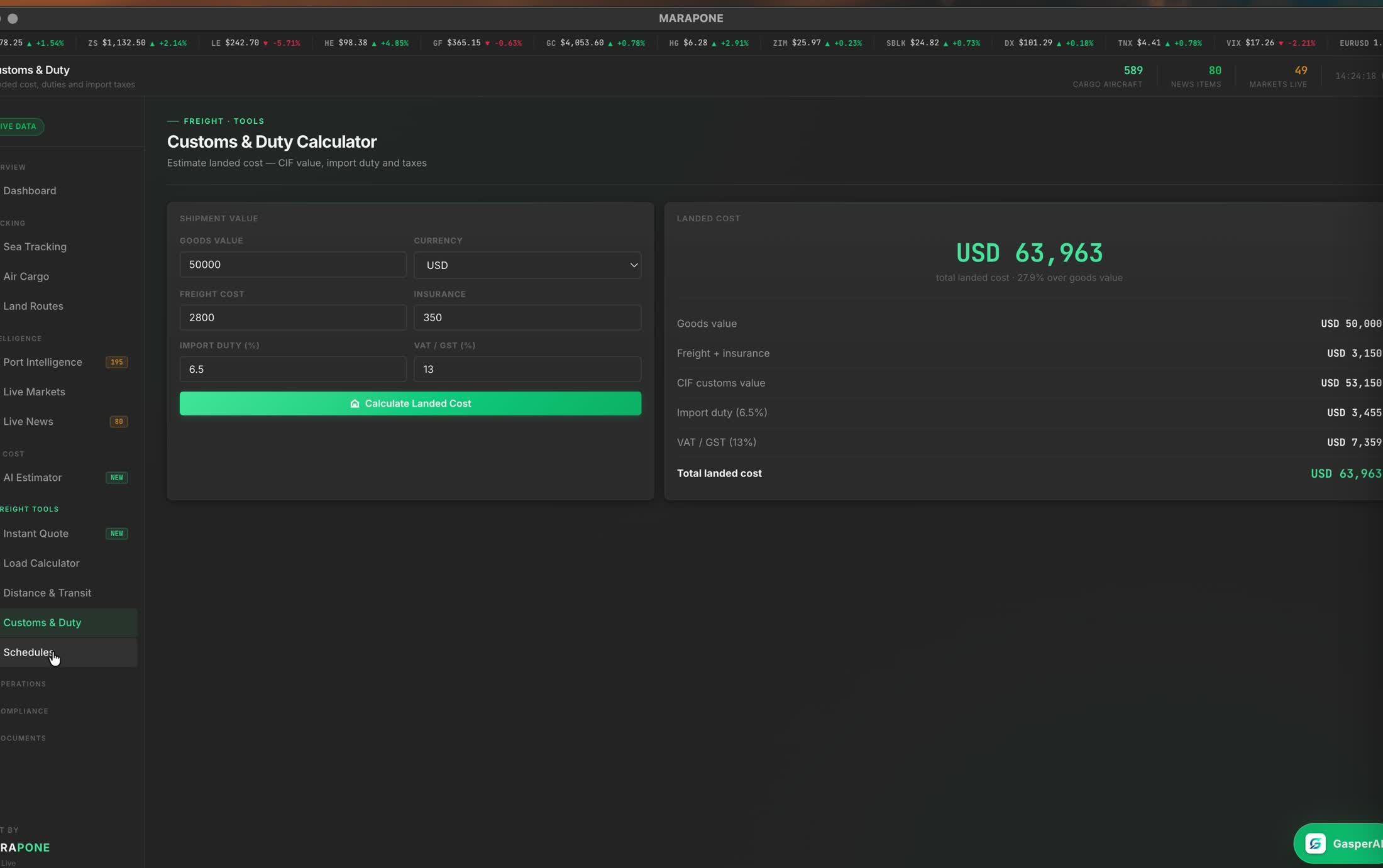
→ FIX: Compliance Guard pre-assembles the valuation file from the import history, surfaces missing pieces, and drafts the response with citations to the customs valuation method.

PAIN 03

FTA origin proofs are a paperwork swamp

A CUSMA claim depends on regional value content from a supplier who's never sent you a complete RVC worksheet. You email three times, get one wrong number, and your client's duty saving is at risk.

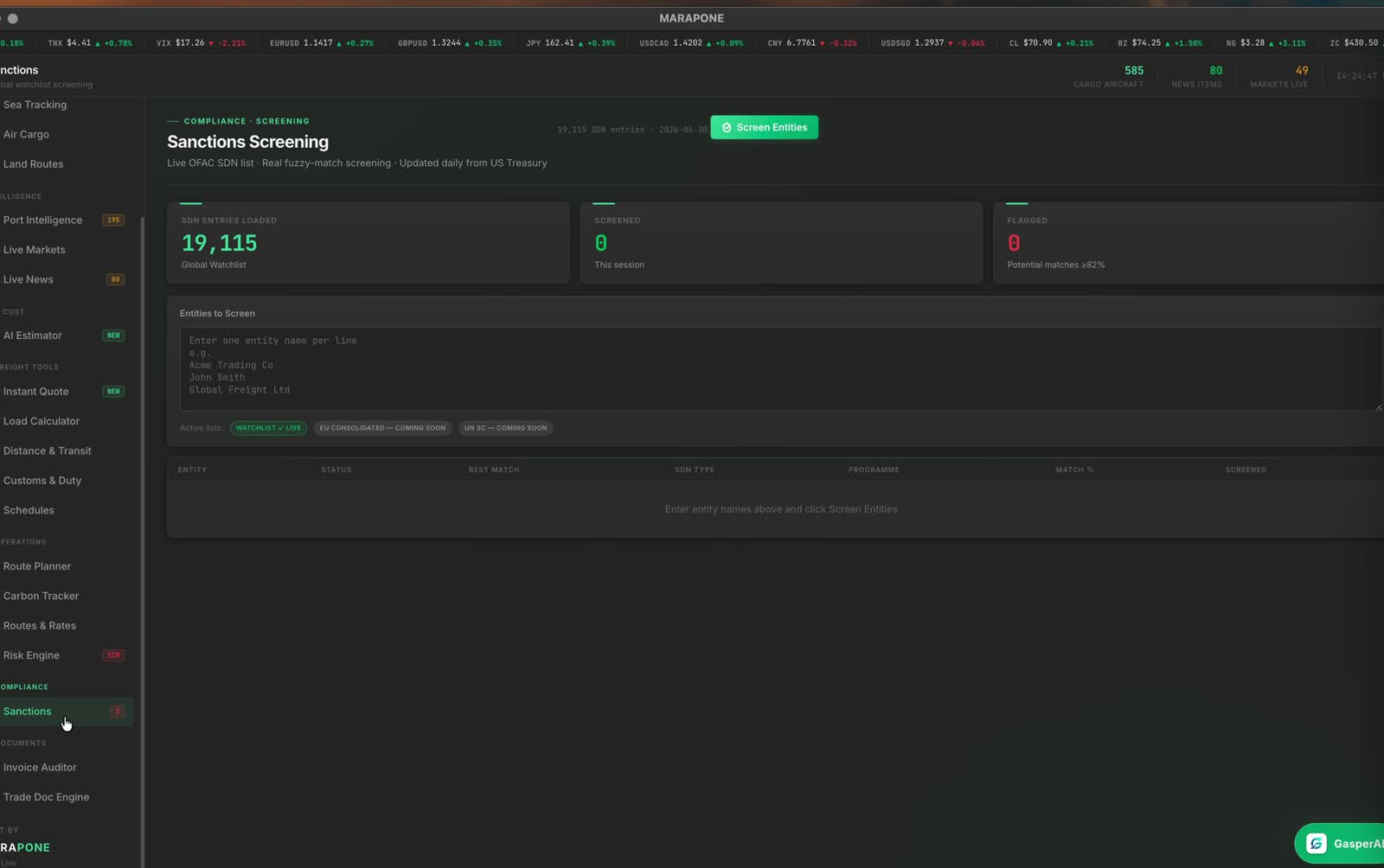
→ FIX: Trade Doc Engine reads supplier declarations and BOM data, runs the RVC calculation, and produces an audit-ready origin file the supplier can sign.

PAIN 04

Tariff changes you didn't see

A CBP CSMS notice changed the duty treatment on a Chapter 84 product mid-month. Your team finds out at the next entry, weeks later. The client wants to know why they got billed differently than last shipment.

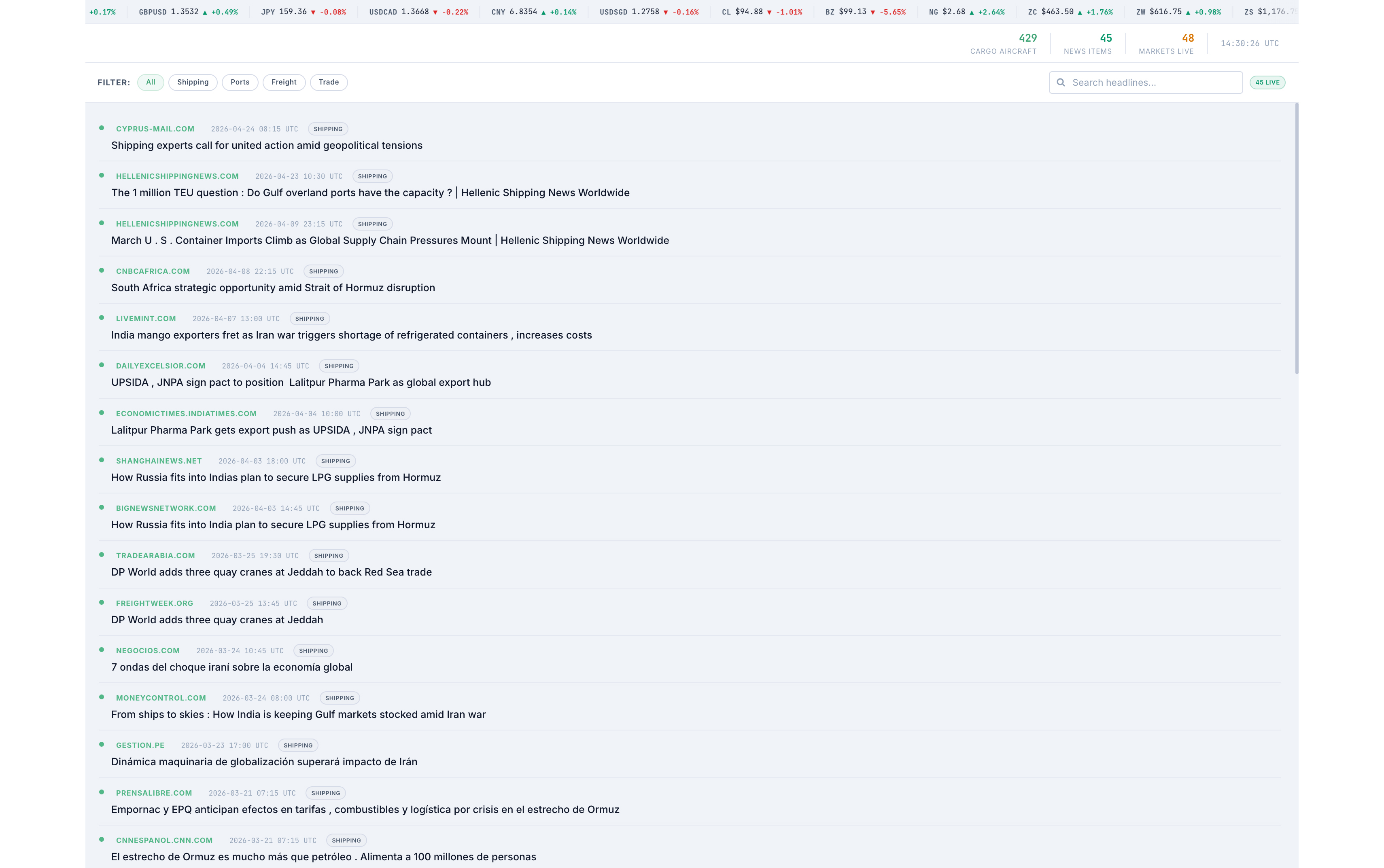
→ FIX: Compliance Guard watches CBSA, CBP, and your other jurisdictions for ruling and tariff changes affecting your client base, and pings you the day they're posted.

// What we build for customs brokers

THREE SYSTEMS, ONE BUILD.

Most customs broker builds bundle these three modules. Trained on your client product catalogues, your historical entries, and the rulings library you already maintain. Not a generic chatbot.

Trade Doc Engine

BUILD 01

Trade Doc Engine

Reads commercial invoices, packing lists, and supplier specs. Proposes HS classifications with WCO and national tariff citations, runs FTA RVC calculations, and assembles audit-ready origin files for client sign-off.

Compliance Guard

BUILD 02

Compliance Guard

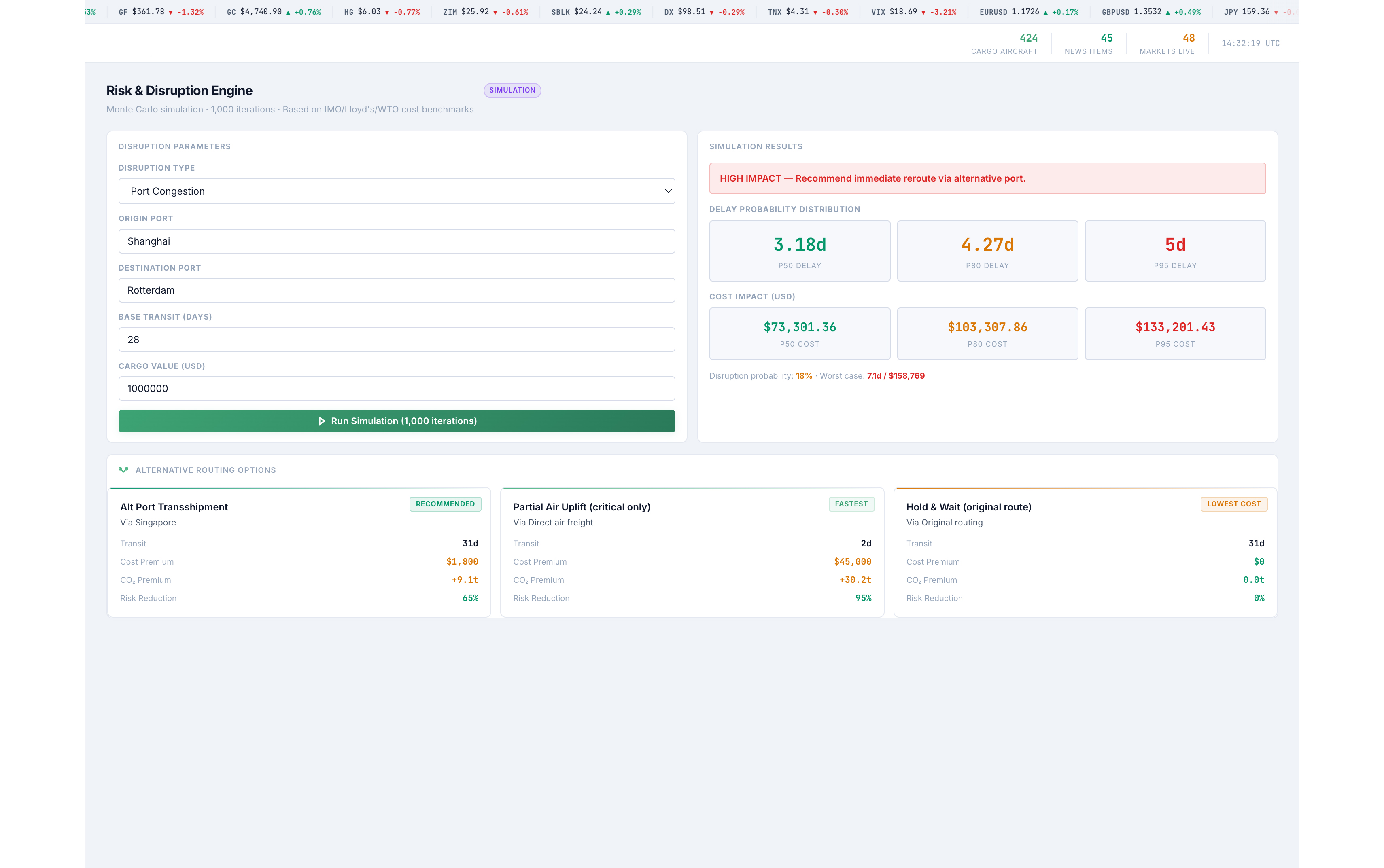
Watches CBSA, CBP, EU TARIC, and your other jurisdictions for ruling changes, tariff updates, and CSMS notices that touch your client portfolio. Pre-assembles valuation files for queries and drafts the response with citations.

Supplier Intel

BUILD 03

Supplier Intel

Reads supplier declarations across formats and languages, normalizes them, and flags inconsistencies between PI, CI, packing list, and origin certificate before they hit the entry — so customs holds don't.

// A day in the life

HOW IT SHOWS UP IN YOUR WEEK

08:30 AM

Overnight tariff alert.

A CBP CSMS notice posted at 6 AM changes the treatment on a Chapter 73 fastener line. The system has already cross-referenced your active client product catalogues, identified two clients affected, and drafted advisory notes. You email both before they call you.

11:15 AM

New product, classified in three minutes.

A client onboards a new SKU — a multi-material kitchen appliance. The engine reads the commercial invoice and the supplier spec sheet, proposes 8516.79.10 with the WCO note citation, and flags the chapter 39 plastic component as a possible alternative. You confirm the call and it's filed in your classification database.

03:45 PM

CUSMA origin file ready to sign.

An automotive client needs origin documentation for a tier-2 supplier. The engine has read three months of BOMs and supplier declarations, run the RVC calculation, and assembled a CUSMA-format origin file with all the supporting math. You review and the supplier signs by EOD.

// What customs brokers say after the build

"Our junior brokers used to spend half their week on classification research. The engine does the first pass with the citations attached, and they spend the saved time on the judgment calls and client work. We've taken on three new accounts without adding headcount."

// Not customs? We build for these too:

// Free, real, no obligation

SEND ONE CLIENT'S DOC SET.
GET A REAL CLASSIFICATION READ.

Pick one client — a representative commercial invoice, supplier specs, and an origin declaration. We'll run it through the same engine we'd build for you and send back proposed classifications with citations and an FTA viability check, usually within 24 hours.