Skip to content

// For freight forwarders

OCEAN, AIR, ROAD —
ONE VIEW, LIVE.

You're moving cargo across three modes, four carriers, and two continents — and your customer wants to know where the box is. Right now. Marapone builds private AI that pulls live milestones across ocean, air, and road, chases the documents your operators chase, and quotes against live rates so margin doesn't erode between the customer's email and the carrier's confirmation. You own the model. You own the data. No subscription.

Built for mid-market forwarders running multi-modal Asia-Europe-Americas corridors · Toronto + Rome

// The four things eating your operators' weeks

WHERE FORWARDERS BLEED

PAIN 01

Multi-modal status lives in three systems

Ocean leg in INTTRA, air leg in CargoiQ, road leg in the trucker's WhatsApp. The customer asks for one ETA. Your operator opens four tabs, makes three calls, and gives an answer that's already stale.

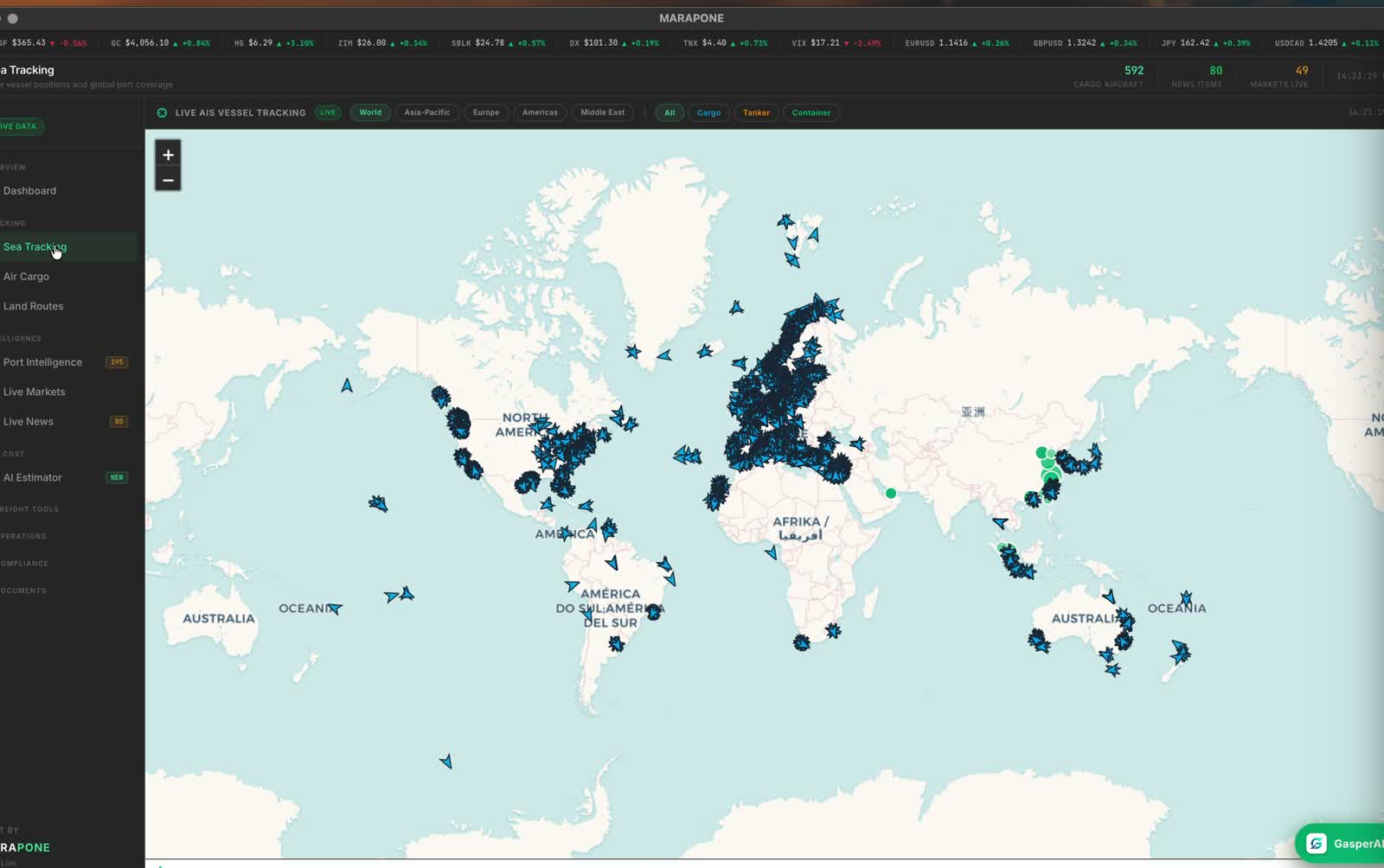
→ FIX: Carrier Tracker pulls live milestones from every carrier and mode into one shipment view, customer-facing if you want.
PAIN 02

Document chasing eats your operators

Bill of lading from the carrier. CI from the shipper. Origin certificate from the supplier. Pre-alert to the destination agent. Your ops team spends half the day emailing reminders for documents they've already asked for twice.

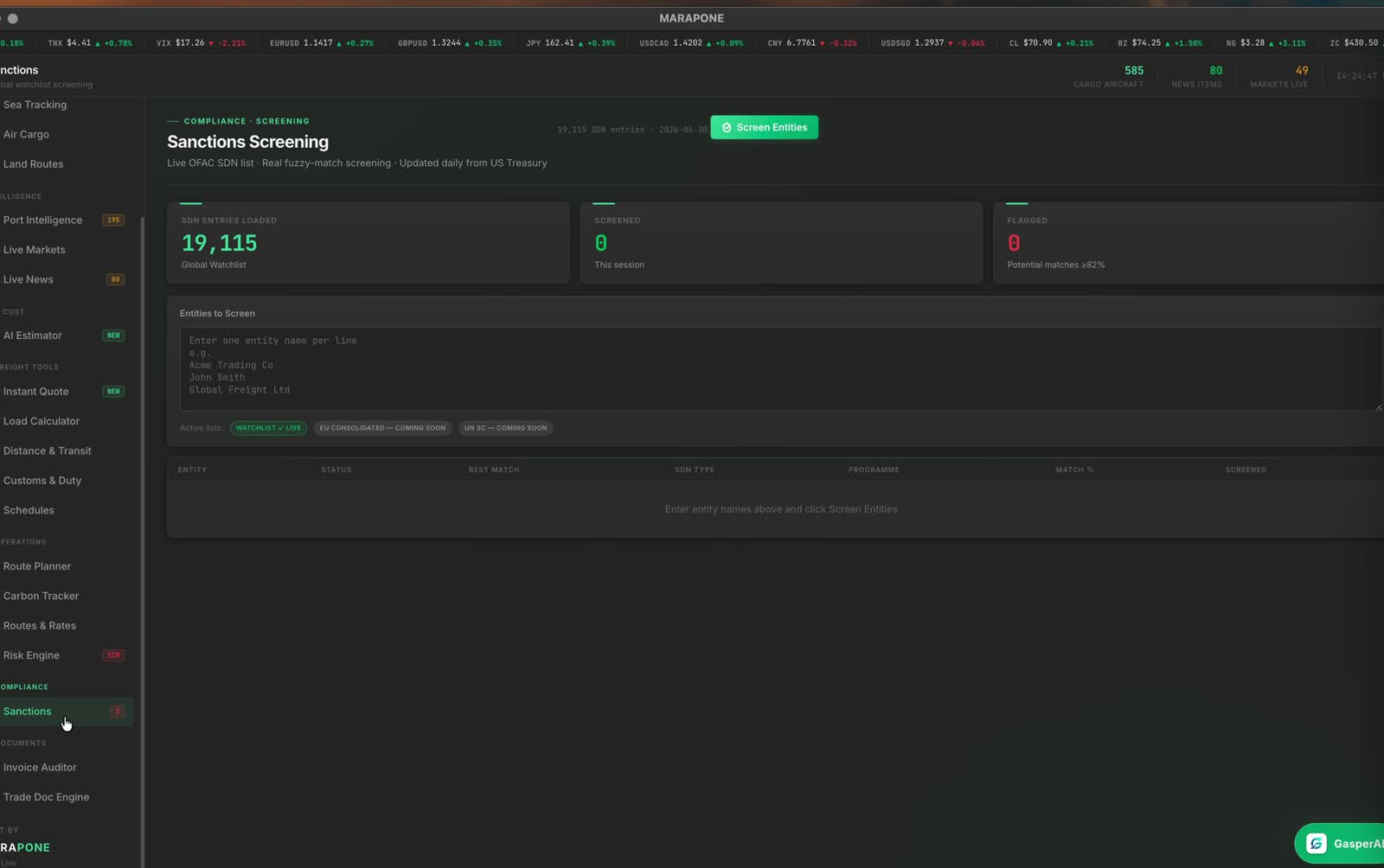
→ FIX: Trade Doc Engine knows what documents are needed for the lane and Incoterm, watches the inbox, and chases what's missing automatically.

PAIN 03

Rates erode between quote and book

You quoted Tuesday based on the carrier's Monday rate. The customer accepts Friday. The carrier's GRI hit Wednesday. Your $200 margin became a $40 loss and your operator didn't catch it until book confirmation.

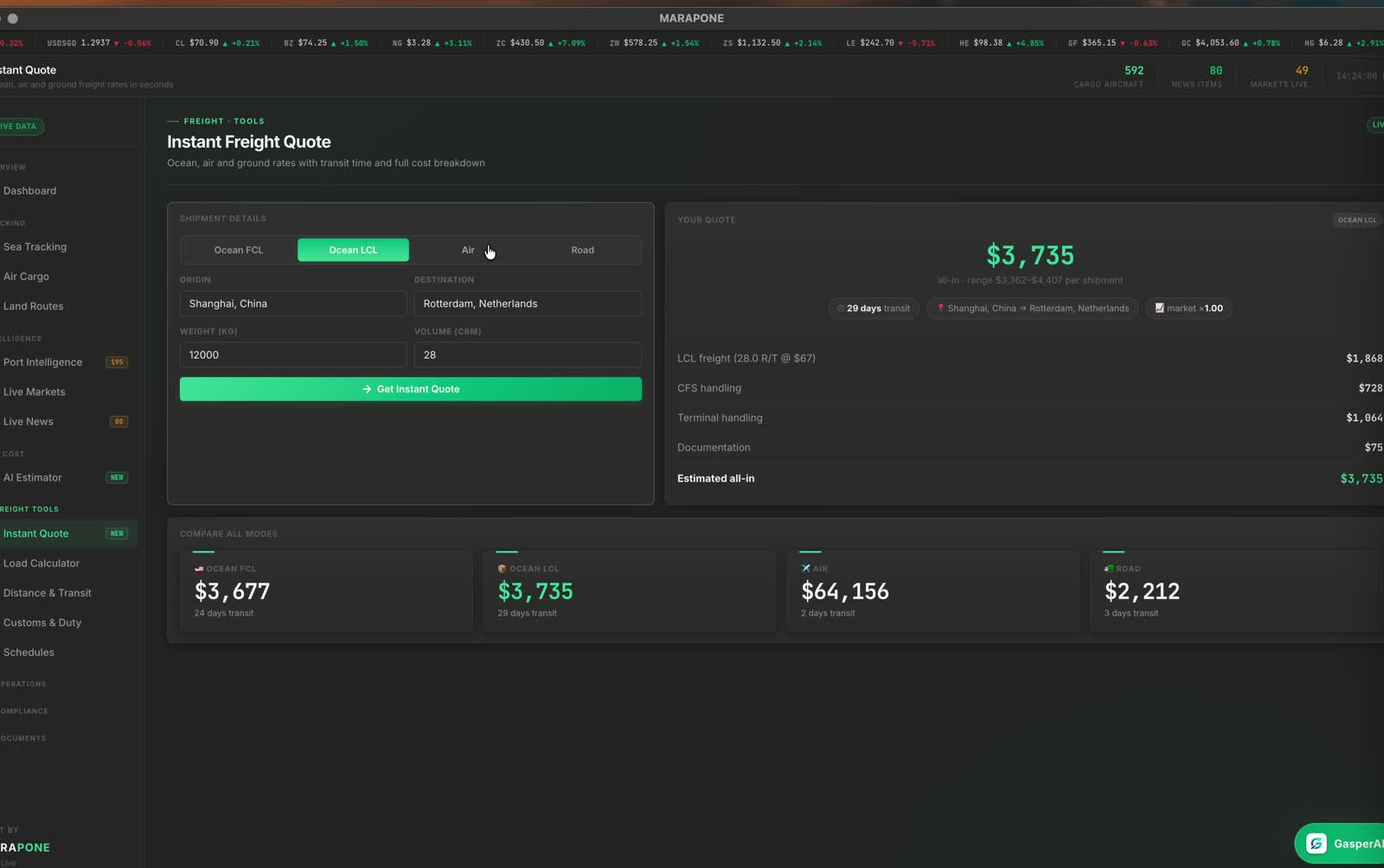
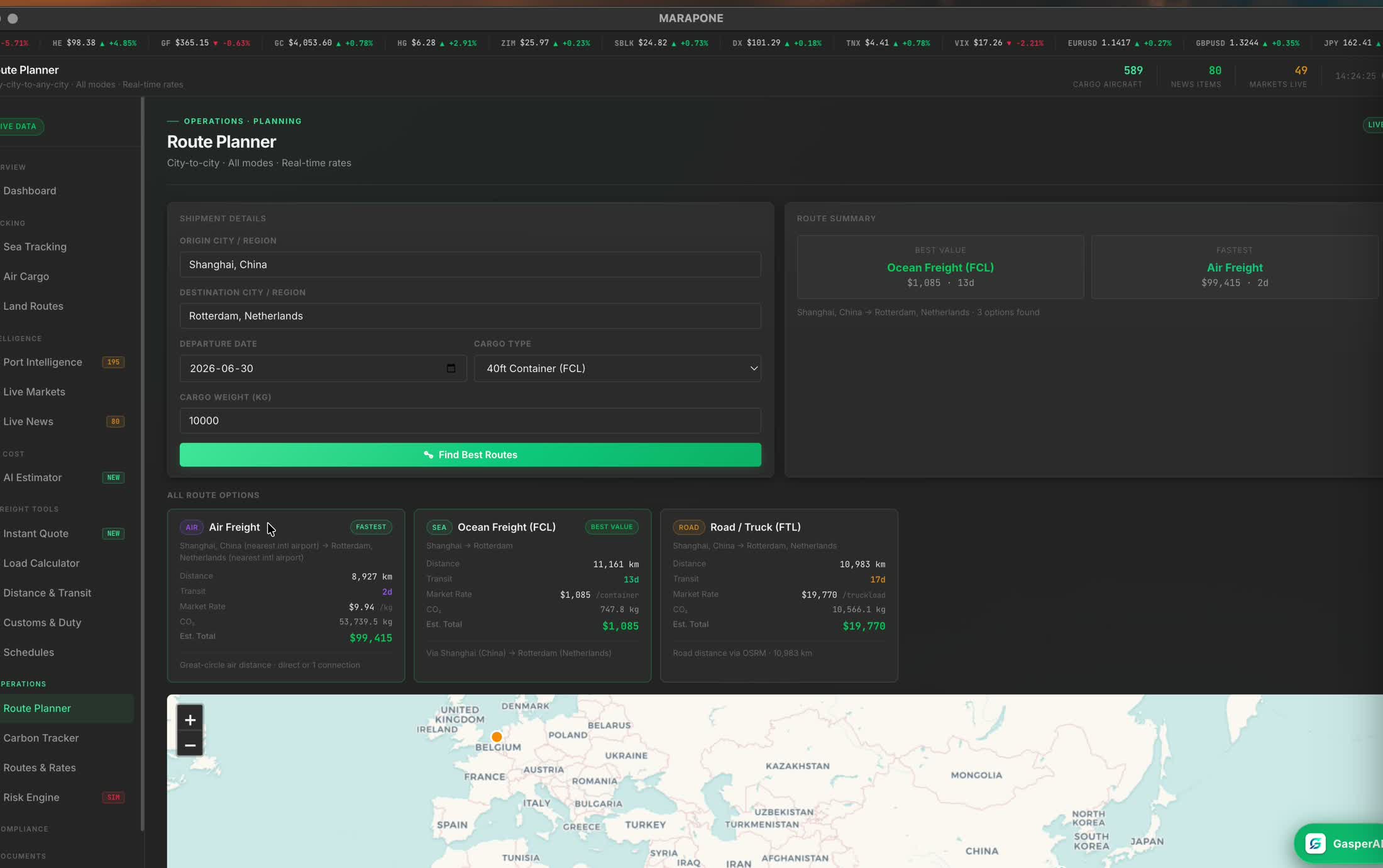
→ FIX: Freight Rate AI flags rate changes against your open quotes the day they're announced, so you re-quote or reconfirm before margin disappears.

PAIN 04

Customer visibility expectation keeps rising

Your enterprise customers expect a Maersk-style live tracker. Your mid-market customers are starting to expect it too. Building that in-house is a six-figure dev project nobody on your team has time for.

→ FIX: The build assembles a customer-facing visibility view from your existing carrier and TMS feeds — branded, gated, and current.

// What we build for forwarders

THREE SYSTEMS, ONE BUILD.

Most forwarder builds bundle these three modules. Each one is trained on your carrier panel, your customer Incoterm patterns, and the lane mix you actually run. Not a generic chatbot.

Carrier Tracker

BUILD 01

Carrier Tracker

Pulls live milestones from ocean, air, and road carriers into one shipment view. Customer-facing if you want, branded as your portal. The "where's my box" question gets answered in two clicks instead of two emails.

Trade Doc Engine

BUILD 02

Trade Doc Engine

Knows what docs each lane and Incoterm needs. Watches your inbox, parses what comes in, chases what's missing, and packages the pre-alert for the destination agent. Your operators stop being couriers.

Freight Rate AI

BUILD 03

Freight Rate AI

Ingests carrier rate sheets and GRI announcements. Flags any change that touches an open quote so you re-confirm or re-price before booking. The 3-5% margin erosion that used to happen quietly stops happening.

// A day in the life

HOW IT SHOWS UP IN YOUR WEEK

07:00 AM

Overnight exception report.

Two ocean shipments rolled at Singapore overnight, one air shipment had a load-cancel out of Frankfurt, and three trucks at Newark are running behind on POD upload. The system has summarized each, drafted the customer notification, and proposed the recovery plan. Your operator works the list, doesn't build it.

11:30 AM

GRI alert, margin saved.

A carrier announces a $300/TEU GRI effective in five days. The system flags fourteen open quotes that touch the affected lane. You re-confirm with the customers who've already booked and re-quote the rest at the new rate — instead of eating the difference on every one.

04:30 PM

Pre-alerts sent before close.

Eight shipments arriving destination over the next 48 hours. The doc engine has assembled the pre-alert pack for each — BL, CI, packing list, certificate of origin — and sent them to the destination agents. Your operator reviews exceptions only. The day ends on time.

// What forwarders say after the build

"Two of our enterprise customers told us they were considering moving to Flexport for the visibility. We launched our customer portal off the build in eight weeks. Both renewed at higher volume — and we've taken on three new accounts that asked for the tracker on day one."

// Not a forwarder? We build for these too:

// Free, real, no obligation

SEND ONE WEEK OF SHIPMENTS.
GET A REAL VISIBILITY READ.

Pick one week — your active shipment list, the carrier feeds you receive, and the docs flowing through. We'll run it through the same system we'd build for you and send back a written report on visibility gaps, doc chasing burden, and rate exposure — usually within 24 hours.